
Leisure & Culture #93
Tidy Your Soul Before You Tidy Your Things Let It Be: Threads of Memory
Craig Au-Yeung Ying Chai
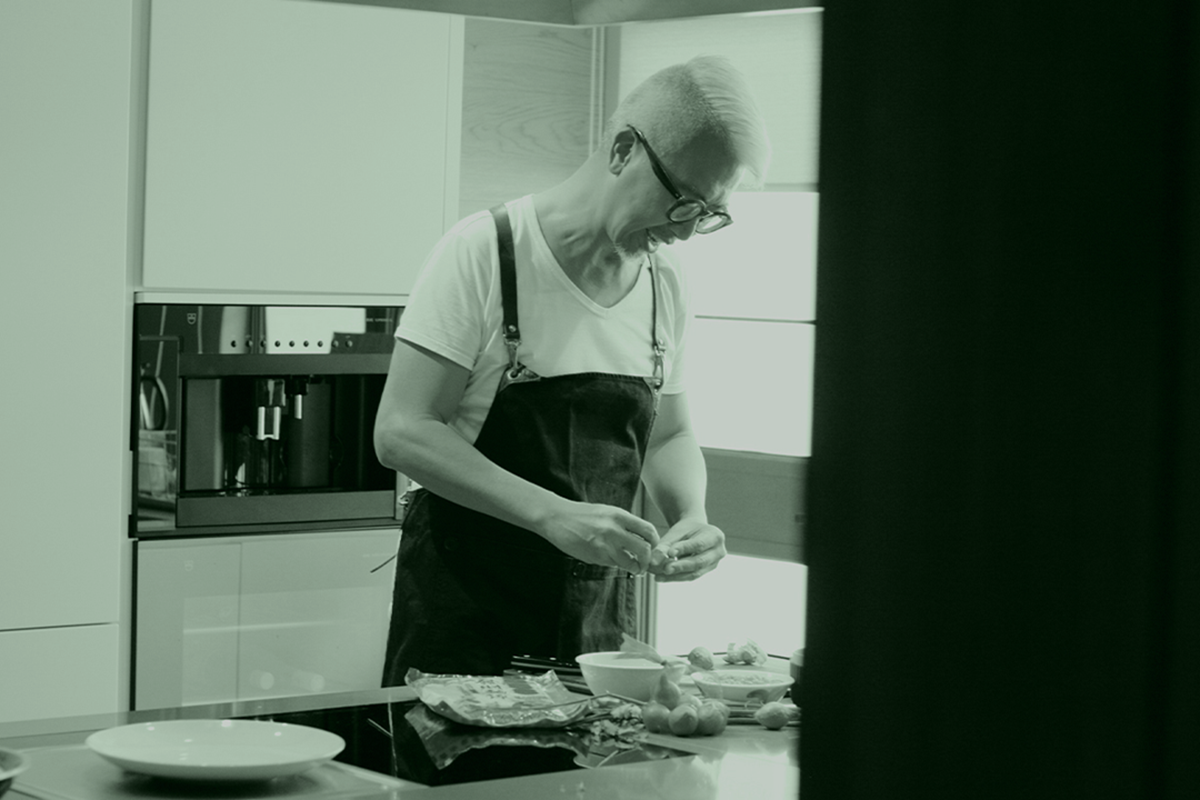
Written by Kit Chan
Photos by Kit Chan
Translation by Joel Wong
There’s no denying we are living in a time of minimalism. People promote "less is more" and the importance of balancing the body, mind, and spirit; decluttering is nearly a rule, and material desire is often viewed as a sin. However, creator Craig Au Yeung chooses to sing a different tune: “Even American artist Donald Judd rejected the label 'minimalist' from the beginning. Come on—if the man himself didn’t want such a label, what does that imply?”
Craig isn’t against decluttering; he objects to mindless purging. “Don’t assume that just because a buzzword exists, it represents the truth. Do you think that tossing things out will lead to a spacious and better state of being?”
Action speaks louder than words. He launched two projects simultaneously: a book and an exhibition, both titled "Let It Be: Threads of Memory." At this point in his life, he is reevaluating “keeping” and “letting go.”
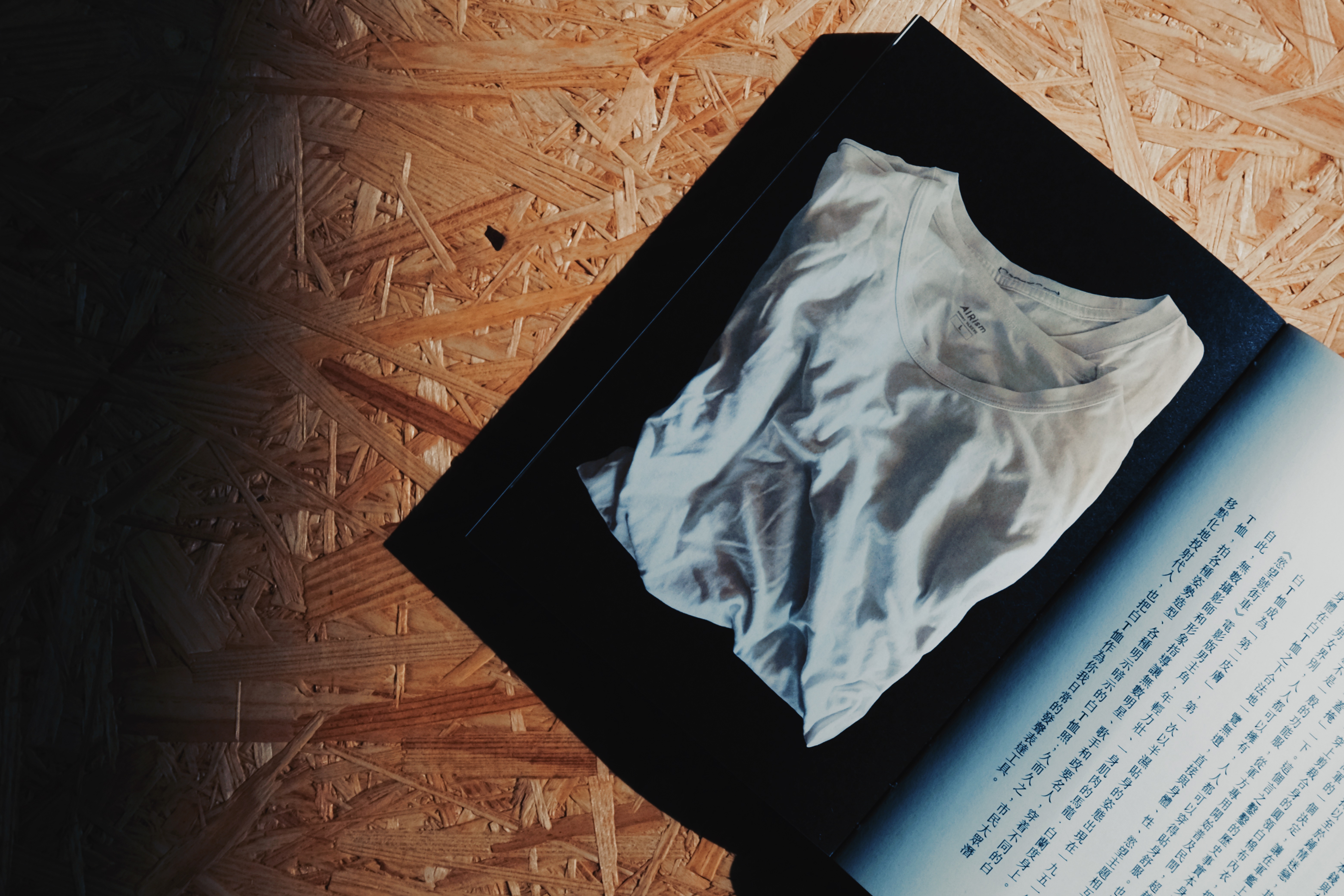
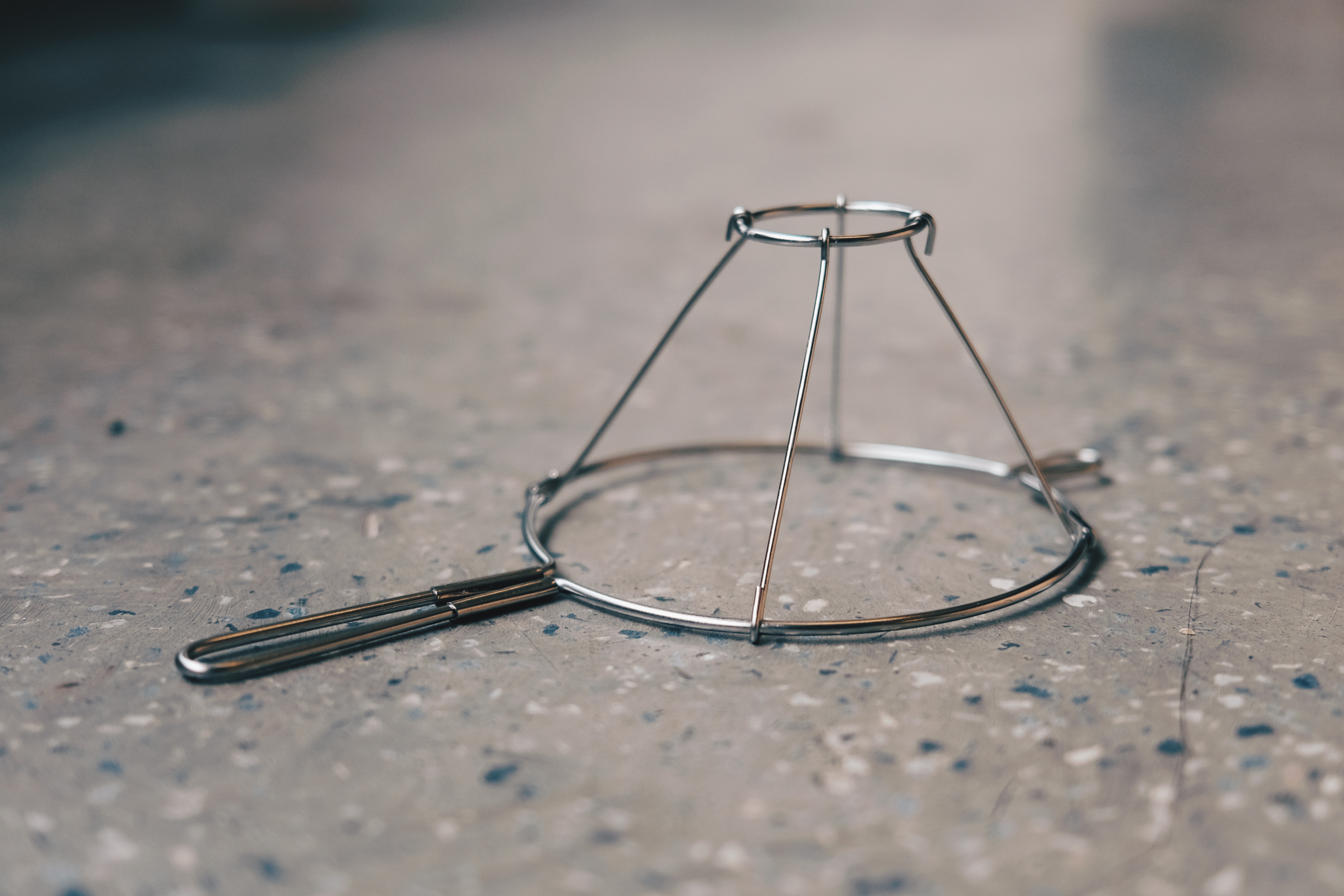
Simply put, when you are handling an object, you ask yourself: What transpired between you and this object? Why is it present? Where should it be in the future?
"Keeping" explores the relationship between people and their possessions, encouraging a sustainable cycle through restoration.
“Letting go” uses straightforward methods to document and archive objects.
A manifesto like this acts as a declaration to clarify things. “I am not satisfied with how most people understand ‘decluttering’ as simply ‘storage solutions’ or ‘throwing stuff away.’” He writes in the book.
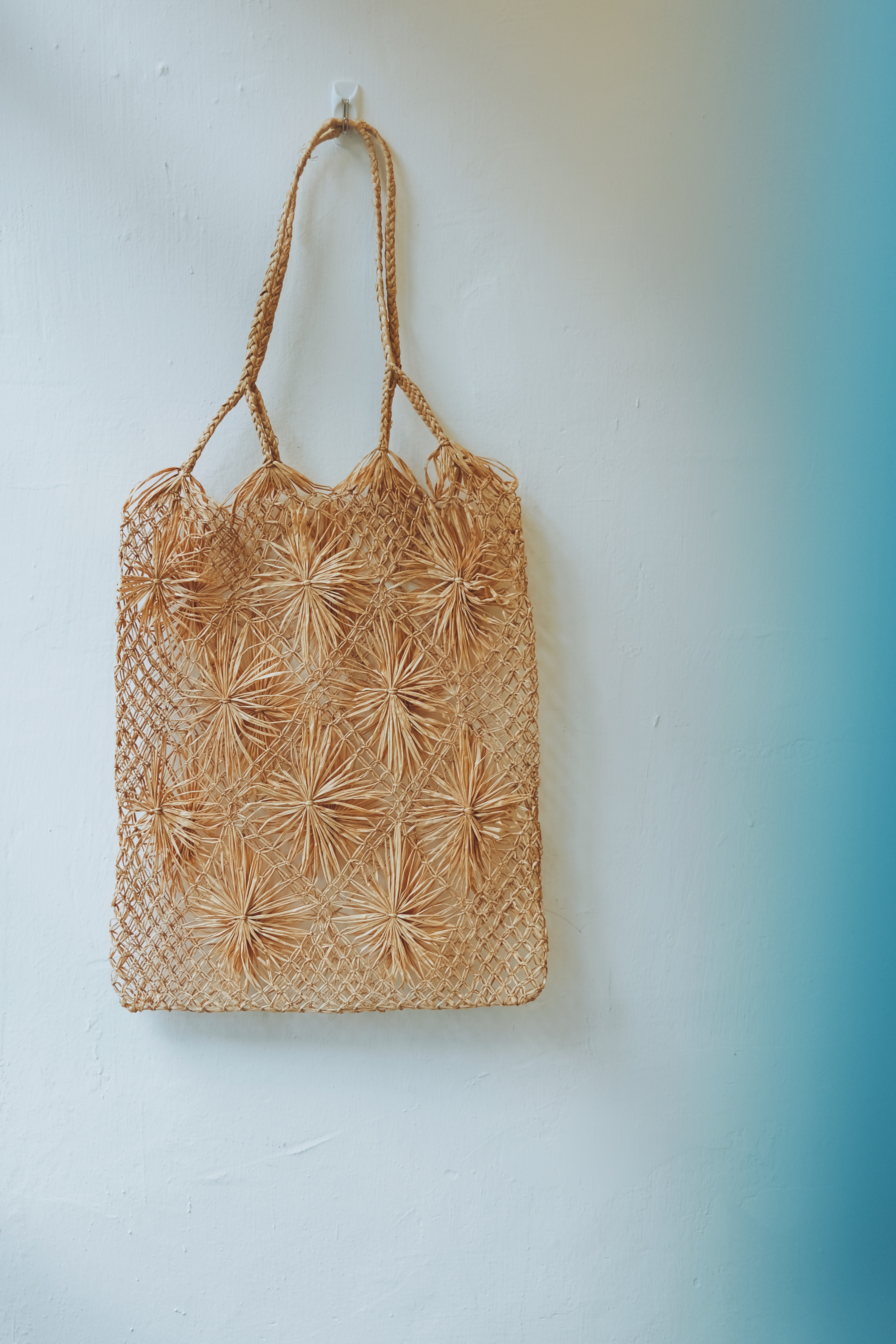

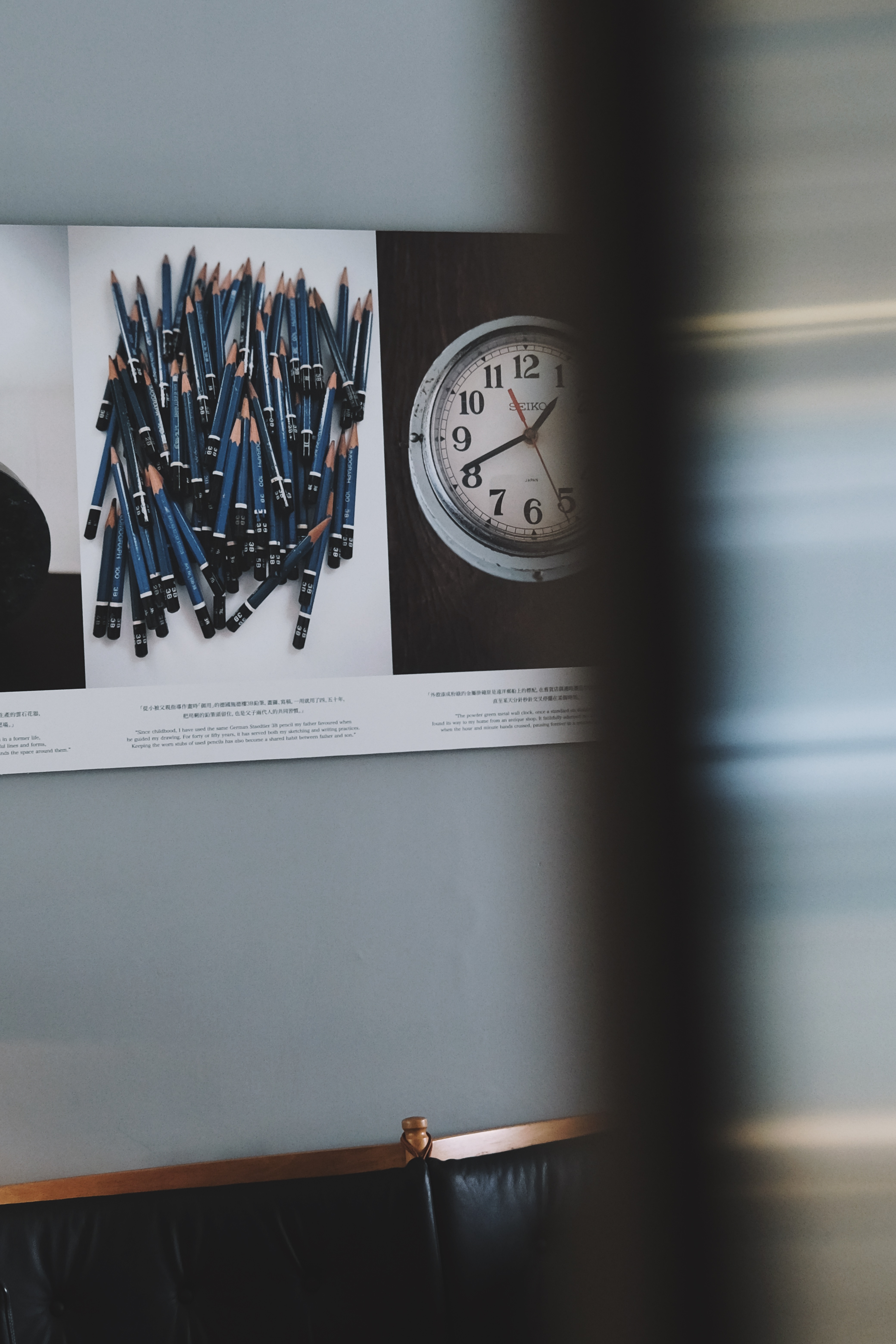
The book features 66 items from his collection—clothes, tableware, daily necessities, toys—each serving as a time capsule filled with personal memories that are simple yet touching. Think of a pile of 3B pencil stubs. Since he was young, Craig’s father, the celebrated painter Au Yeung Nai-Chim, instructed him to write and draw exclusively with German Staedtler 3B pencils, and Craig kept the used stubs as a record.
A few years ago, after his father died at 91, Craig was sorting through his belongings and unexpectedly discovered a large collection of 3B stubs. Father and son were independent, yet through these old items—too precious to throw away—they built a bond across the distance.
The feelings behind the objects are genuine, but Craig emphasizes that this isn’t just nostalgia or sentiment. Look closely at the items he selected, and you’ll notice they mainly focus on design, the beauty of life, and wisdom. He discusses inanimate objects, yet the stories seem like a lively summary of life experiences.
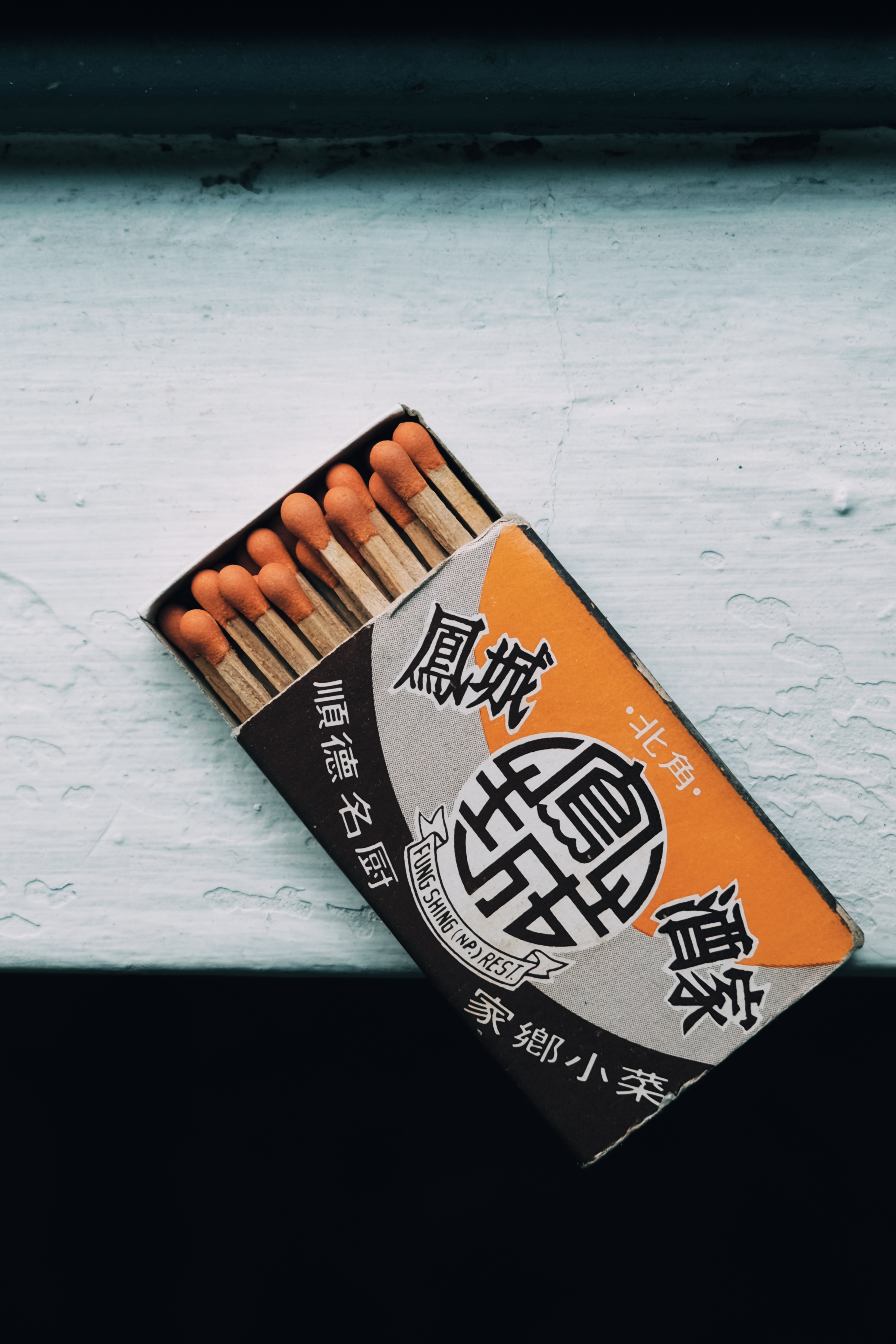
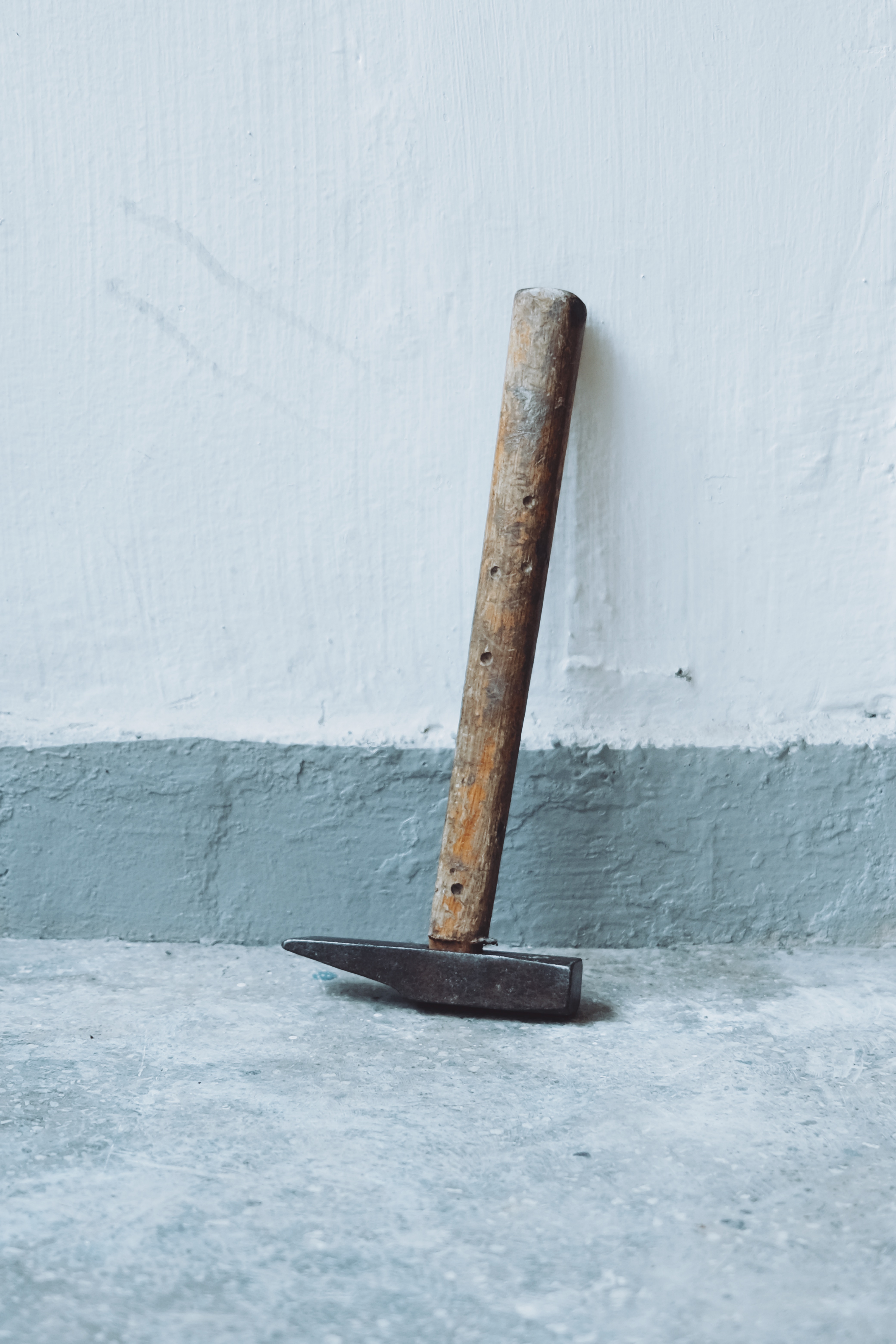
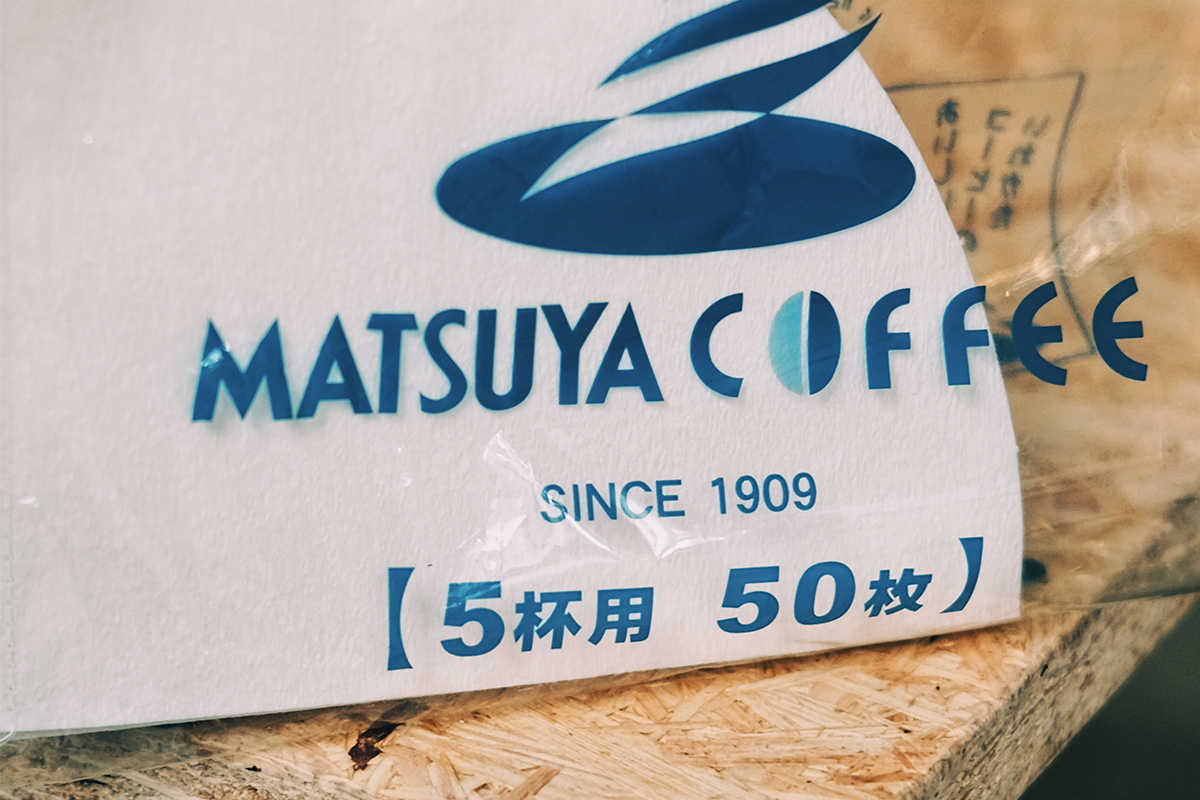
The exhibition, an extension of the book, invited 17 close friends to display objects they felt compelled to keep. Image consultant Tina Liu uncovered some marbles from Chinese checkers from the ’60s; film art director Man Lim-Chung brought a small hammer left by his father; Eummie, founder of Rokumarutei, presented a coffee filter used for ten years; cooking show host Andy Dark shared a Chiuchow cake mold inherited from his grandmother; and food writer Lui Ka-Chun offered a rare, extinct matchbox from the North Point Fung Shing Restaurant. Each item has its own story.
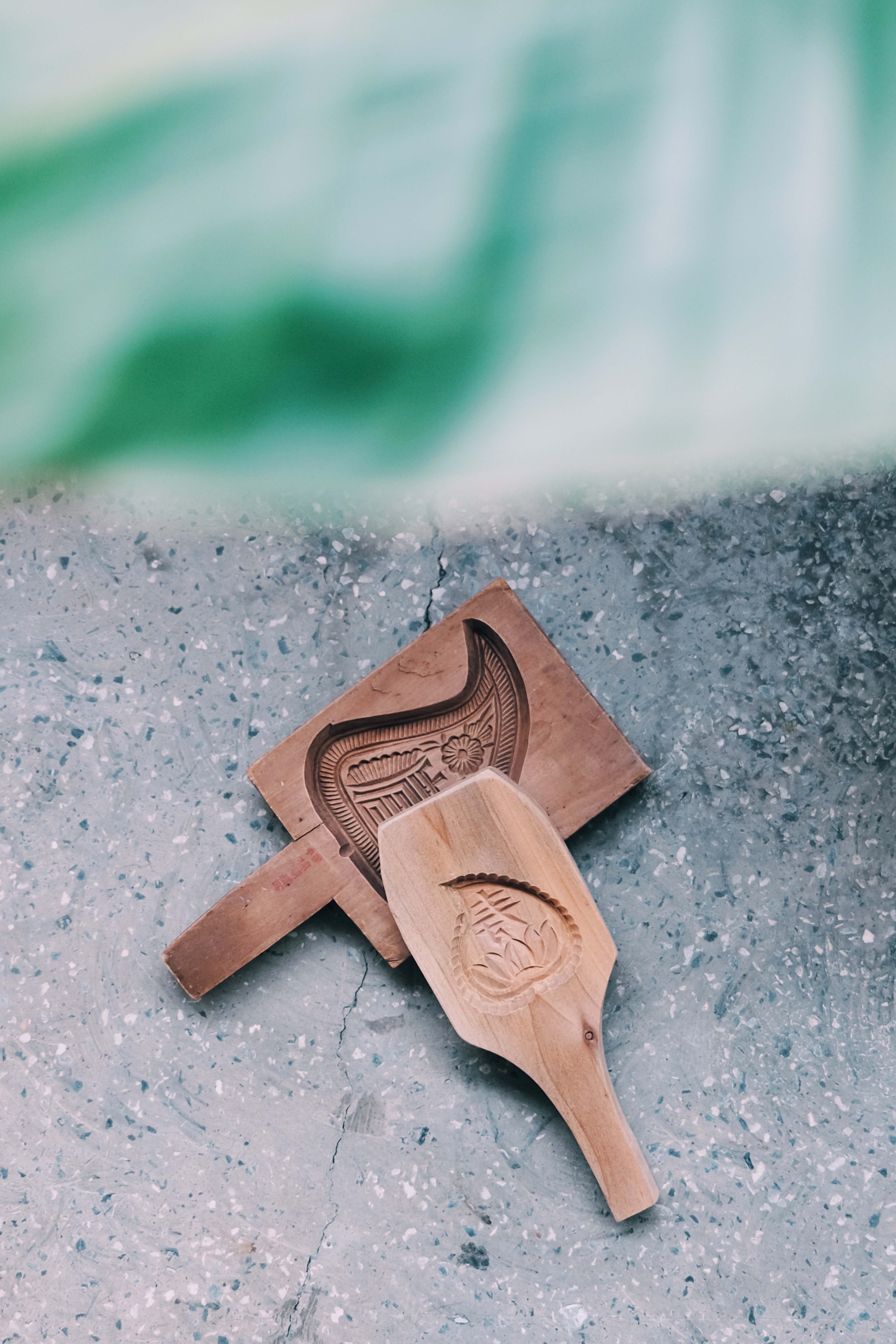
These people Craig knows well, yet the personal objects they submitted made him exclaim, “In every piece, you can see the 'light' inside. They have weight and their own lives.” He believes that objects carry different energies at various stages and will change, just as the people who own them do.
The book and exhibition are just the beginning. Moving forward, he plans to actively promote a less commonly discussed topic: archiving. If we develop the habit of spontaneously recording our “stuff”—whether through text, photos, or other methods—and then sharing and exchanging these with like-minded individuals via social media, exhibitions, working groups, or even archival spaces, these objects will gradually shift from private to public domains.
“Such a phenomenon is actually already happening,” Craig explains. “When collections are presented to the public in different ways, new effects and transformations emerge.”
Ultimately, material objects reflect how we organize ourselves—sometimes consciously, sometimes honestly.
"How well do you know yourself? From your temperament and emotions to your financial capacity—what you keep and the various choices you make are essentially a look in the mirror.”
But what if you just can’t overcome the space limitations?
Then you can plan. Work hard to earn money to rent a storage unit. It’s feasible.
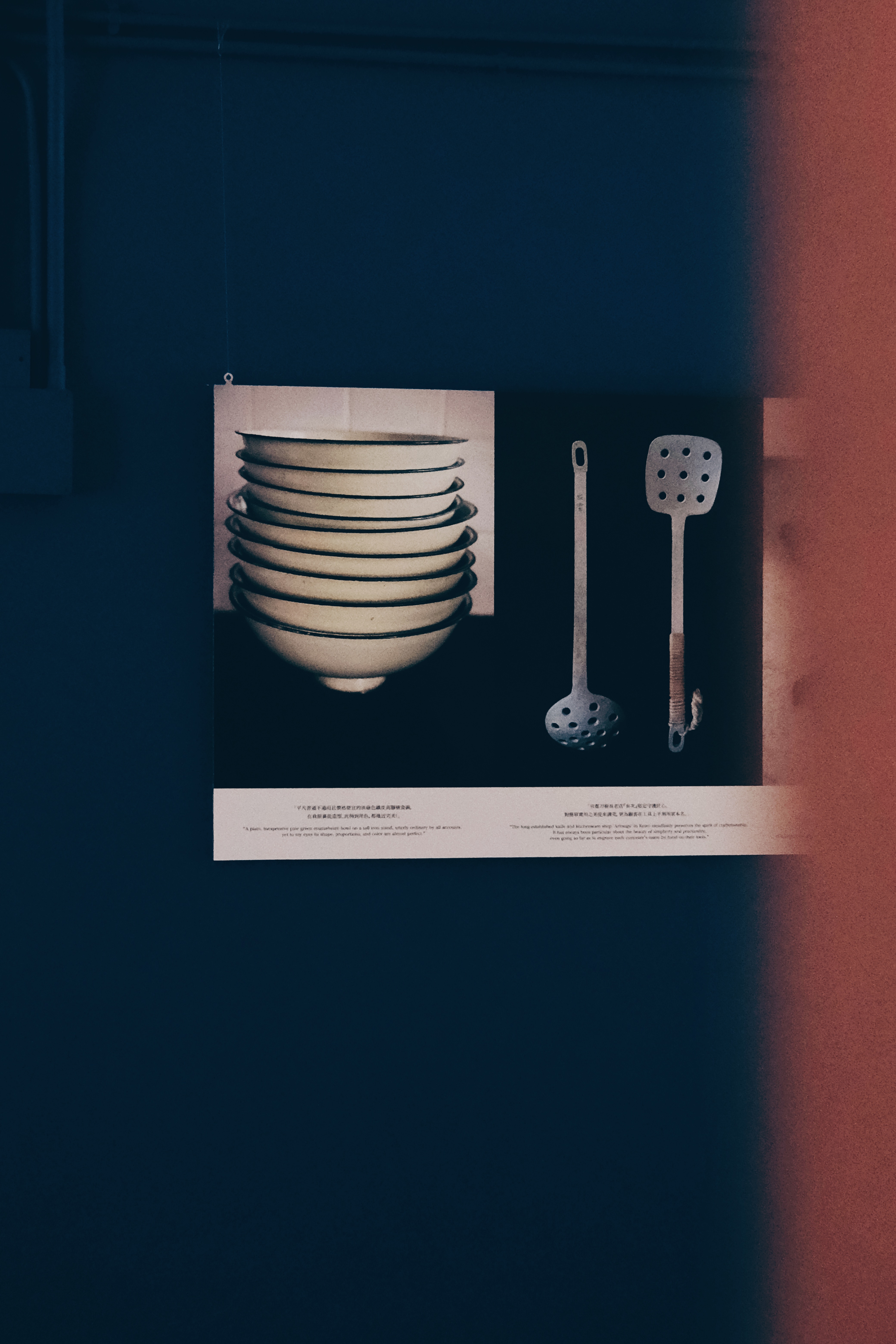
A recent tragic city fire caused grief and led society to reconsider: In such a crisis, which possessions should you prioritize?
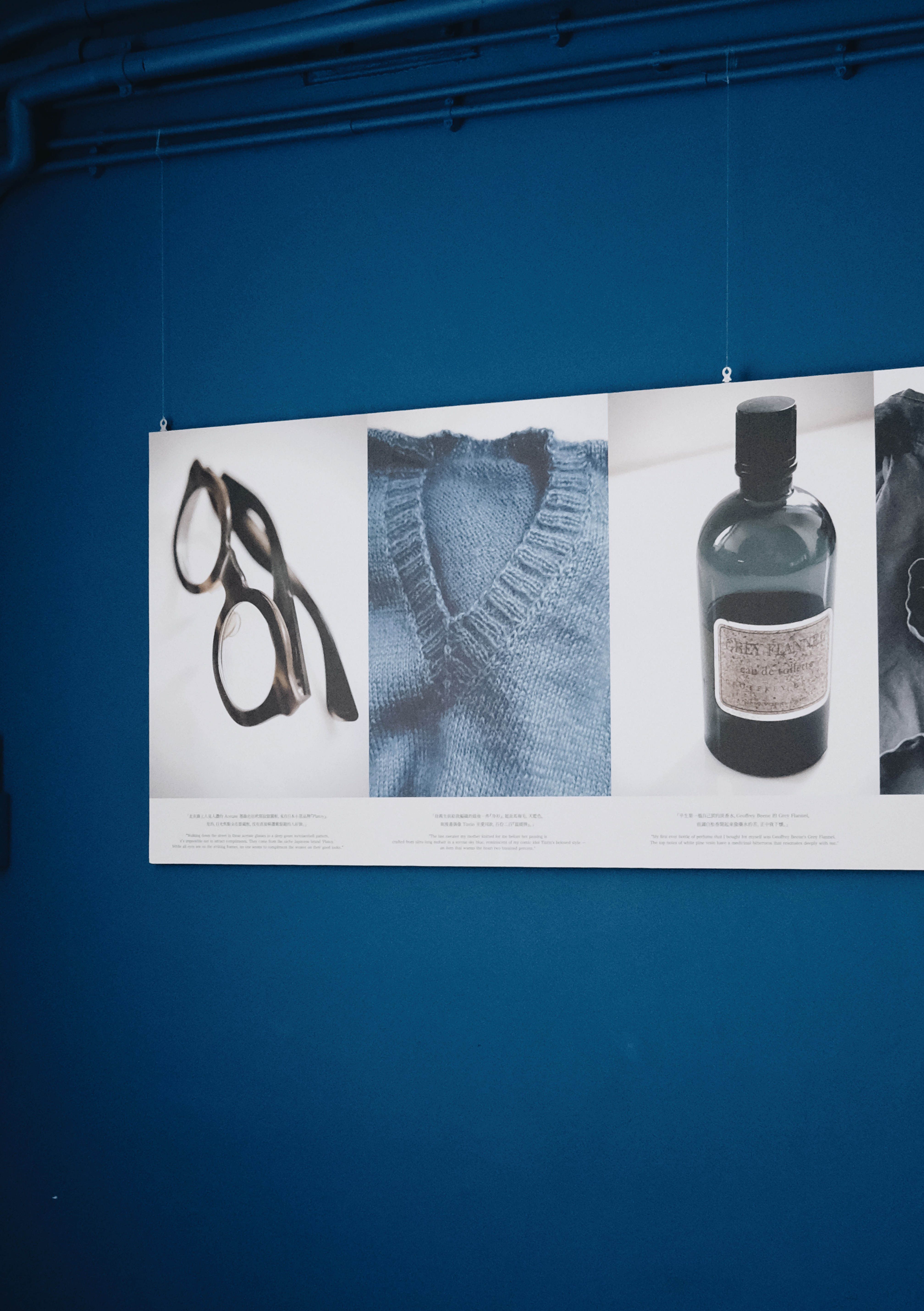
Craig’s answer would be that the something was the “first” and the “last”: the first photo his father took of him; the last sweater his mother knitted for him—things of that nature. He plans to keep them in a box, ready to grab and run at a moment’s notice.
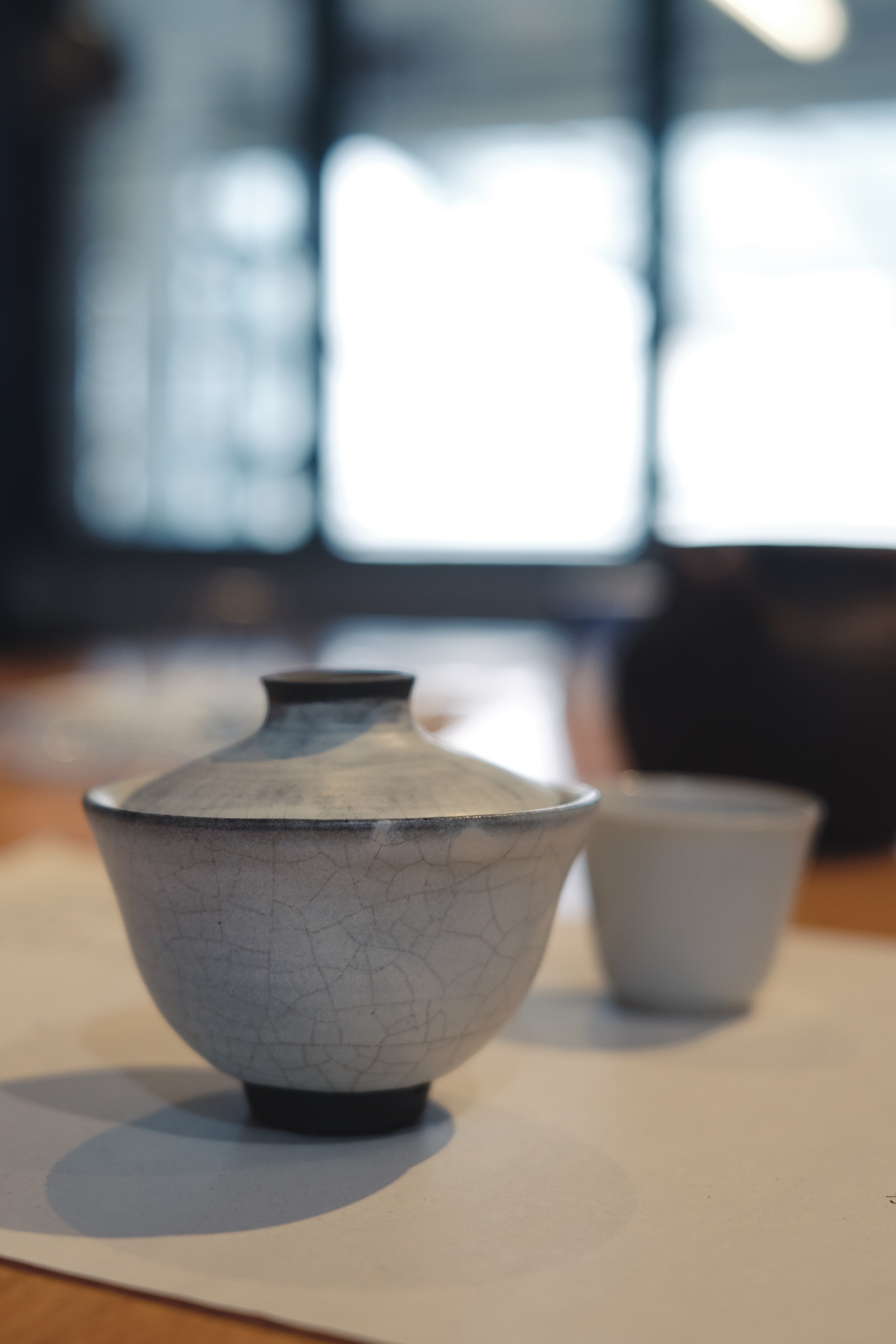
There are some things that will guarantee you never lose a certain sense of spiritual grounding.
First and last, beginning and end—everyone must go through these. The space between them is a long journey of meetings and farewells, an endless process of choosing.
Minimalism or maximalism, decluttering or holding on—to embrace personal will and rights with an open heart is true freedom.
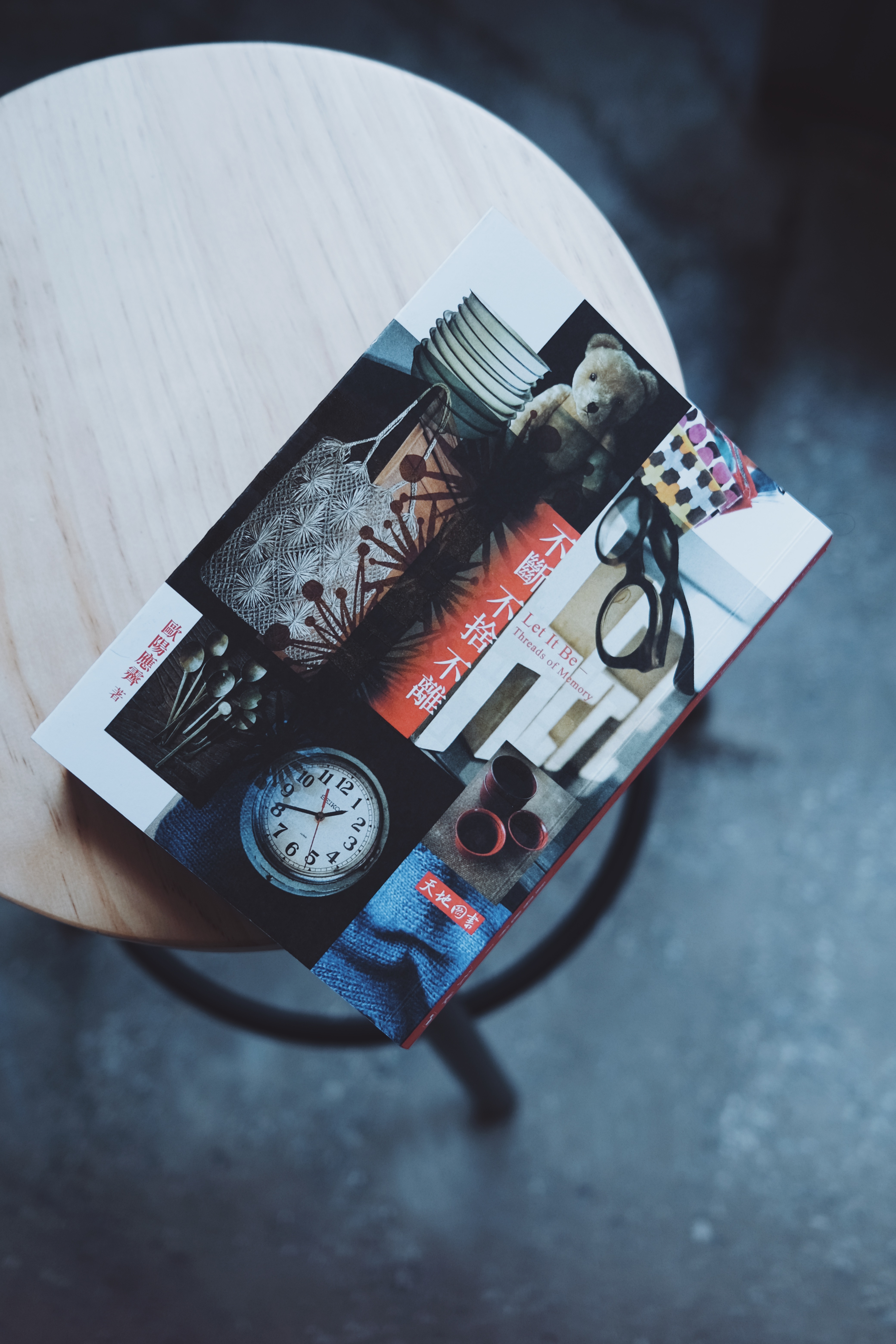
Let It Be: Threads of Memory Exhibition
Date: 2025.11.28 - 12.21
Time: 11:00 - 6:00pm (Closed on Mondays)
Fee: Free
Venue:PMQ Taste Library (H504, Block B, PMQ, 35 Aberdeen Street, Central)