
Leisure & Culture #94
Hong Kong’s Tea Culture: The Art of Blended Tea
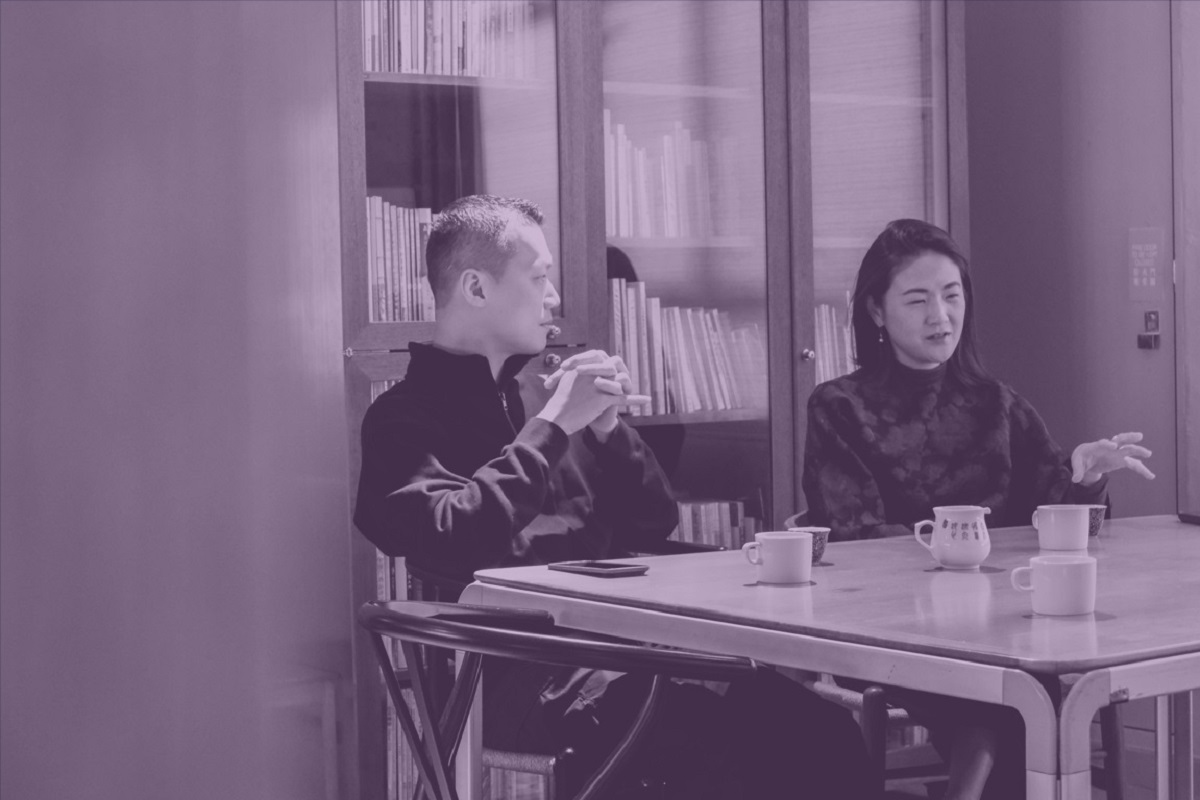
Henry Yeung & Nana Chan
Text: Lui Ka Chun
Image: PMQ
Translated by Joel Wong
It is often said that Hong Kong’s culinary culture is as vast and inclusive as the ocean—able to absorb diverse cuisines, evolve them, and incorporate them into something uniquely its own. Tea culture is deeply rooted here, where tea masters across generations connect the past and present. In their roles, they create their own languages to tell the local stories of tea.
It all starts with blended tea. The term might sound technical or distant, but for Hong Kong residents, life is closely tied to such a blend.
Whether we are having dim sum with Pu’er tea at a teahouse, drinking milk tea or iced lemon tea at a cha chaan teng, or ordering an English Breakfast tea at a café—it's all connected to the art of blending. Henry Yeung, owner of Sun Sing Tea, has been selling tea since his father’s time. Specializing in Pu’er tea, he has seen the evolution of the local tea industry firsthand.
"In the past, Hong Kong teahouses depended heavily on blended tea. Tea wholesalers would custom-mix blends based on each teahouse's specific preferences, combining leaves from various mountains and regions in exact ratios," Henry explains. "Different leaves serve different purposes: some deliver deep color, some provide strong scent, and others add body and flavor. By blending them, you combine the strengths of each region.
Back then, Pu’er tea and Oolong tea were the most popular blended teas. "Because the consumption volume in Hong Kong teahouses was so high, we needed to ensure a steady and sufficient supply. Blending helped us achieve a consistent flavor profile suitable for the teahouses despite harvest fluctuations," Henry explains. He mentions that merchants often stacked leaves from different regions like a layer cake, pressing them into 6 to 8 layers before cutting for delivery to the teahouses.


Nana Chan represents a new wave of tea enthusiasts. Starting her journey at Teakha on Tai Ping Shan Street and later moving to the Plantation Tea Bar on Po Tuck Street in Sai Wan, Nana has shifted from selling milk tea to offering a diverse range of tea drinks. Interestingly, she was always surrounded by blended tea growing up.
"When I was young, my father always made afternoon tea at home; we drank milk tea nearly every day. He used Lipton tea leaves to brew it, which was essentially my introduction to drinking tea," Nana recalls. That seed was planted early. When she opened her own shop, Nana dedicated herself to exploring different milk teas. One of Teakha’s best-sellers was her Masala Chai.
Researching tea has a magical quality; the more you learn, the more you want to explore. For Nana, drinking tea is like a mini-vacation; closing her eyes takes her on a journey. A cup of Wuyi Rock Tea transports her to the Wuyi Mountains, where she feels as if she is walking on the rocky terrain and sensing the place itself.
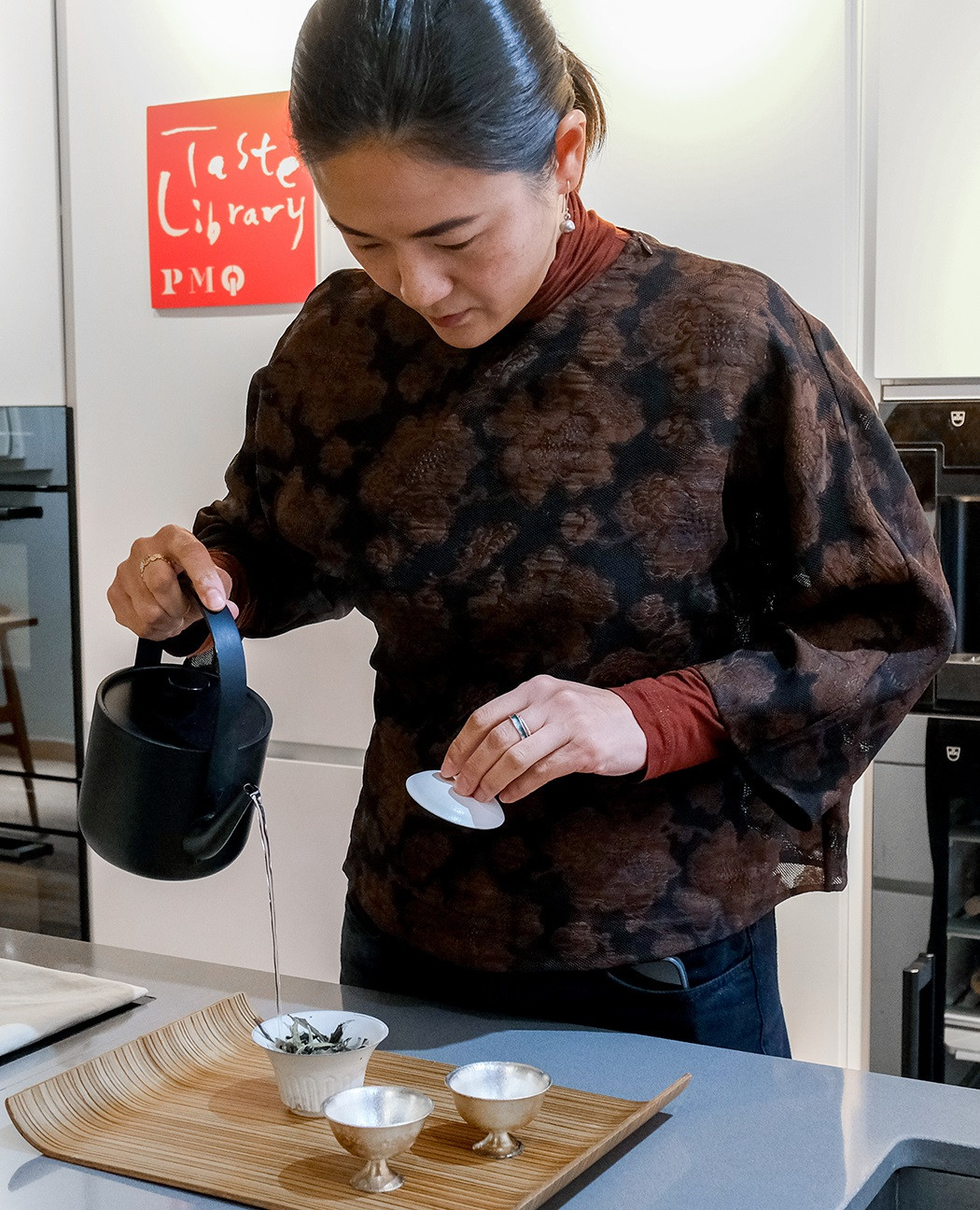
"Sometimes I understand and contemplate a place just by drinking its tea."
Her love for Rock Tea eventually led her to visit Wuyi Mountains in person. The unique landscape there made her feel as though she were in a martial arts novel, with the aroma of the tea leaping across the cliffs, just as the ancients did. Driven by this passion, she has traveled to Hangzhou, Anhui, Anxi, Taiwan, and even Darjeeling in India, tasting the finest teas each region has to offer.
For Henry, researching tea leaves is a window into a vast universe. He and his father own an extensive collection of Pu’er tea and explore its history and development. He uncovers stories within the tea cakes—from the private tea houses of the 1900–1949 period, such as Song Pin Hao, Tong Qing Hao, Tong Xing Hao, and Chen Yun Gui Yin —to the competitive atmosphere of the period. After 1950, Pu’er tea became a product of the state-controlled era. The variety narrowed to five main styles: Red Label Round Tea, Red Label Iron Cake, Blue Label Round Tea, Blue Label Iron Cake, and Paperless Red Label. These were produced by the two largest tea factories in the Xishuangbanna region of Yunnan: Menghai and Xiaguan. There was also the Guangyun Gong Cake, pressed by Guangdong tea factories, which blended raw leaves from Guangdong, Yunnan, and Vietnam.
Henry sometimes uncovers historical anomalies, such as times when Pu’er tea cakes were shipped to Hong Kong through Thailand and Vietnam. "I’ve tried Vietnamese Pu’er tea produced before 1953, and the taste was quite good. But by the 70s and 80s, the quality dropped significantly. Many say it was due to the Vietnam War and chemical warfare polluting the soil, which naturally affected the growth of the tea trees."
Henry finds joy in this research—it is part travel, part study. However, he notes that the modern internet is flooded with misinformation, which is unhealthy for the tea industry. To combat this, he regularly holds tasting classes at Sun Sing Tea to educate people on the correct knowledge of Pu’er tea.

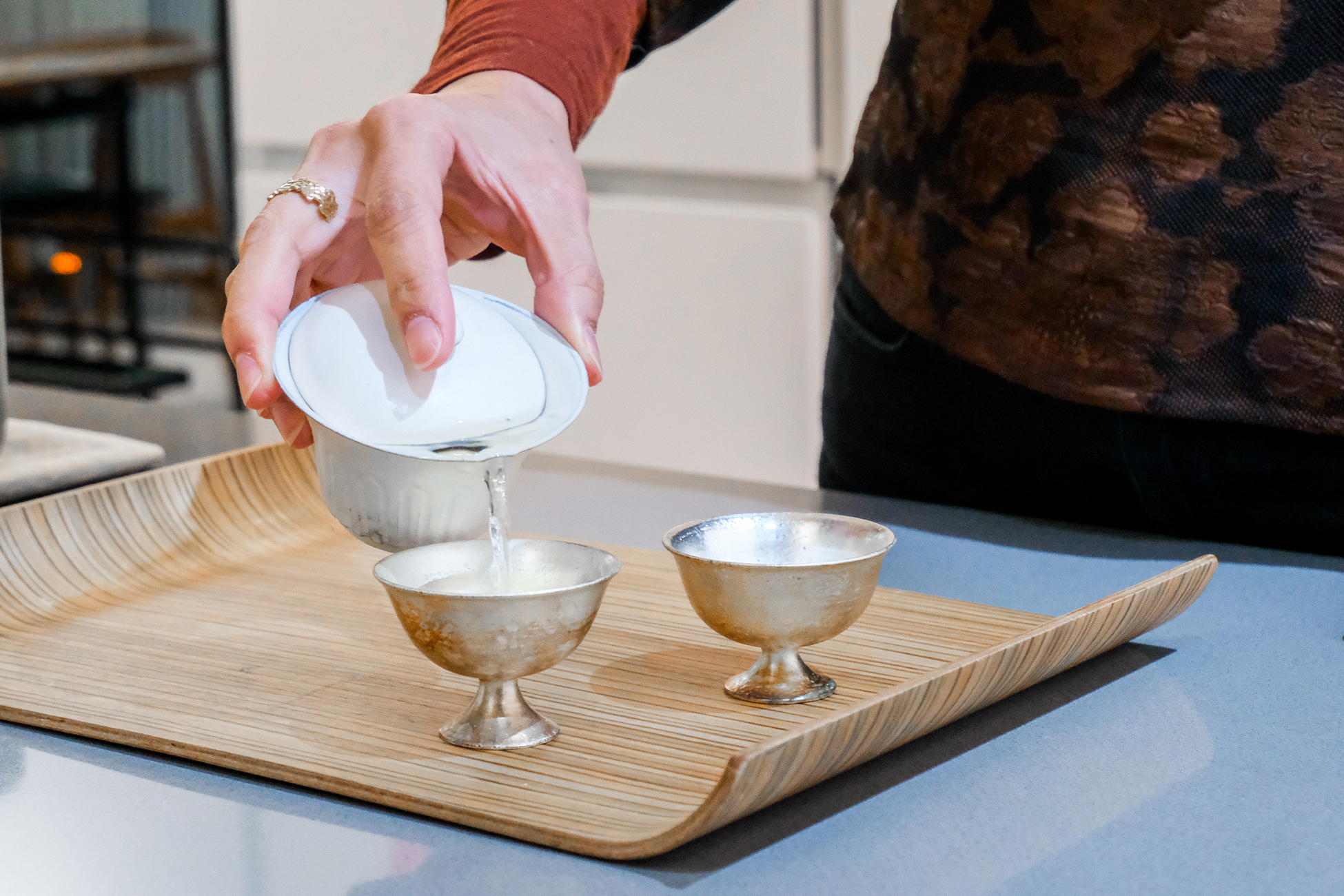
Both Henry and Nana have an optimistic view of the new generation learning about tea. Nana notes that young people today prioritize health, with many replacing wine with sparkling tea. As non-alcoholic cocktails grow in popularity, tea has become more accessible, serving as an entry point for many.
Henry believes tea can appeal to people of all ages. He once tried brewing Longjing tea with a touch of honey for his family’s children. They found it delicious, showing that tea has lots of room to develop. He is sure that tea culture will expand. Regarding high-end Pu’er tea, Henry wants to make it more accessible; in the future, he plans to sell it in smaller pieces so the public can taste aged vintage Pu’er tea without having to buy a whole cake.
There is naturally a market for mass-market tea drinks. Nana points out that tea-based cocktails are very popular with the new generation. A best-seller at Plantation Tea Bar is the Tangerine Pu'er Tea Cocktail; its lingering sweetness lingers. Nana plans to continue developing new tea drinks, focusing on researching fermented teas. She believes their healthy properties, combined with unique personalities and constantly changing fruity acidity, will make them unforgettable after just one sip.
Hong Kong is a fascinating place. It makes no tea itself, yet its tea culture is rich, and blended tea has become a key part of it, supported by the persistence and effort of many generations who share these customs and flavors, making sure the aroma of tea keeps flowing.
Date: 30.01.2026 - 01.02.2026
Time: 30.01.2026 (15:00 - 19:00), 31.01.2026 - 01.02.2026 (11:00 – 19:00)
Venue: Courtyard & Marketplace, G/F and Taste Library, H504, 5/F, Hollywood, PMQ
Fee: Free (except the workshops)