
Design Feature #71
New Chapters GROOVIDO & Jonathan Bocca & Lucia Massari
GROOVIDO & Jonathan Bocca & Lucia Massari
Text & Image: Chan Kit
Translation: Joel Wong
Every contemporary designer eventually faces the same dilemma: as traditional urban trades and crafts fade into obscurity, how can we reverse the tide and breathe new life into them?
There isn't a single solution. However, at this year’s DeTour design festival, three standout cases provided a compelling answer. United by a common goal, three Italian design teams reimagined three modest materials, delivering a masterclass in revitalizing traditional craft.
GROOVIDO: The Playful Bricks

When we admire a building, we typically focus on its architectural silhouette or intricate details. But who notices the brick, the fundamental unit of the structure? What if a brick could be more than a mere building block? What if it could serve as decoration, or even a canvas for play?
Bricks need not be dull. This is the core philosophy of the Italian collective GROOVIDO. Utilizing a novel ceramic printing method, the team prints digital images directly onto brick surfaces. In their hands, bricks become blank pages, inviting designers to showcase creativity without restraint.
“Bricks are often seen as purely functional, but we want to show that even the simplest material can be filled with imagination through experimentation,” the team explains. They point out that sustainability demands and the growth of digital fabrication are currently putting pressure on Italy’s brick industry. Instead of viewing these changes as threats, GROOVIDO sees them as opportunities, a crucial moment where heritage meets innovation.
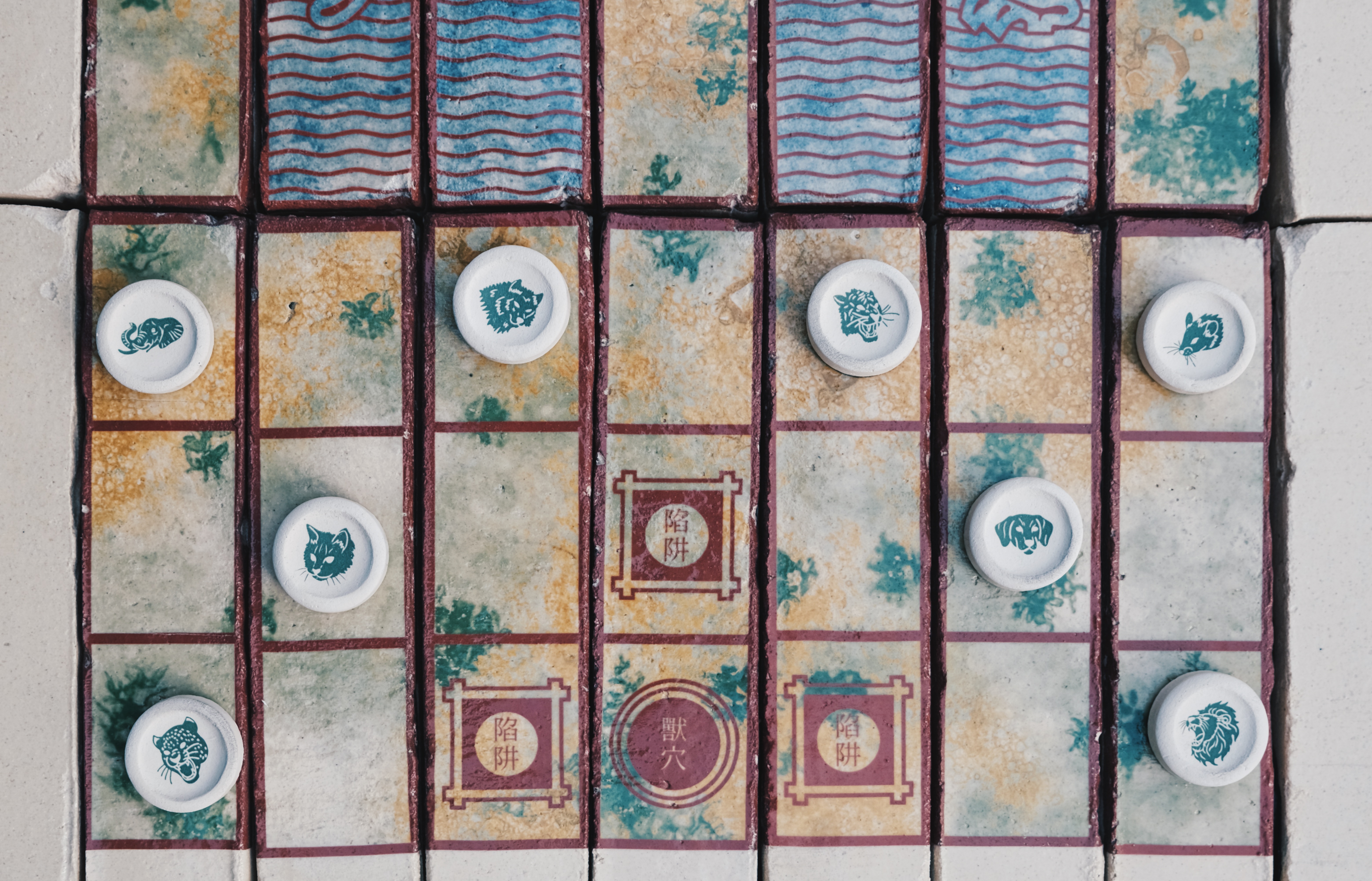
While technology can seem inhuman, its use can be deeply humane. Previously, the team printed images from Role-Playing Games (RPGs) onto bricks to make furniture, instantly connecting the virtual and physical worlds.
For this year’s DeTour design festival, they brought A Battle of Beasts to Hong Kong. Reimagining traditional Chinese Chess and Jungle game boards, they utilized vibrant colors and patterns printed on brick. The seating is cleverly integrated into the game itself, creating an immersive experience that enhances both the competitive spirit and the joy of play. “Games are a universal language. They connect people across cultures, ages, and backgrounds, disregarding class,” GROOVIDO notes.
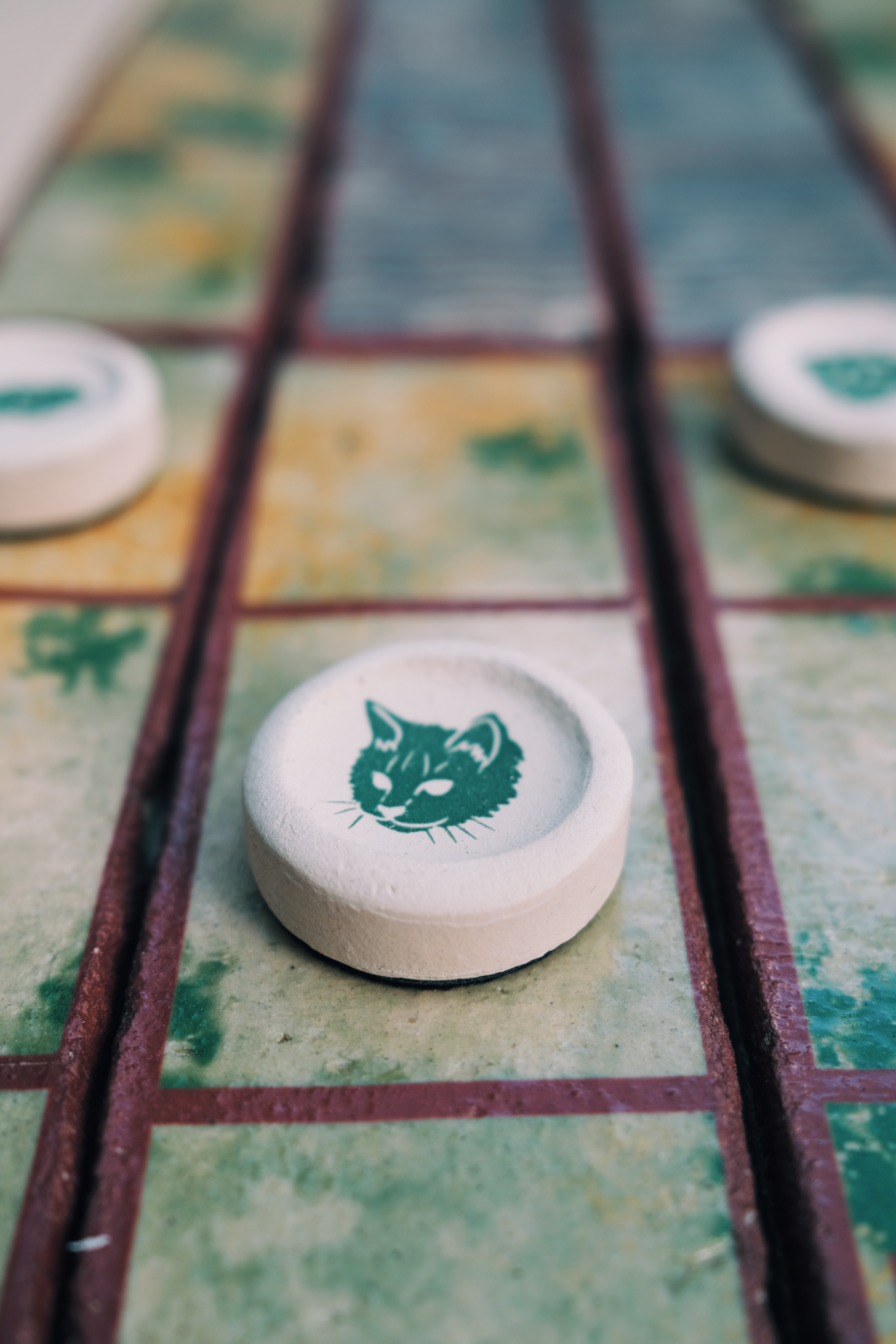
Imagine this installation in a public park: it serves as a place for recreation while also creating an inviting communal space.
The team believes each visitor will have a unique experience.
“Those attuned to design will notice the craftsmanship—the texture of the brick face, the subtle color variations from firing, and the precise alignment of imagery. Meanwhile, others—perhaps adults who love chess—will focus on the act of playing, “drawn by the familiar presence of the board, prompting shared memories and stories.
Bricks are small building blocks, but here they do more than build walls; they create an invisible web of cultural awareness and emotional connections—quietly and joyfully—through play.
Jonathan Bocca:Paper Art In the Clouds
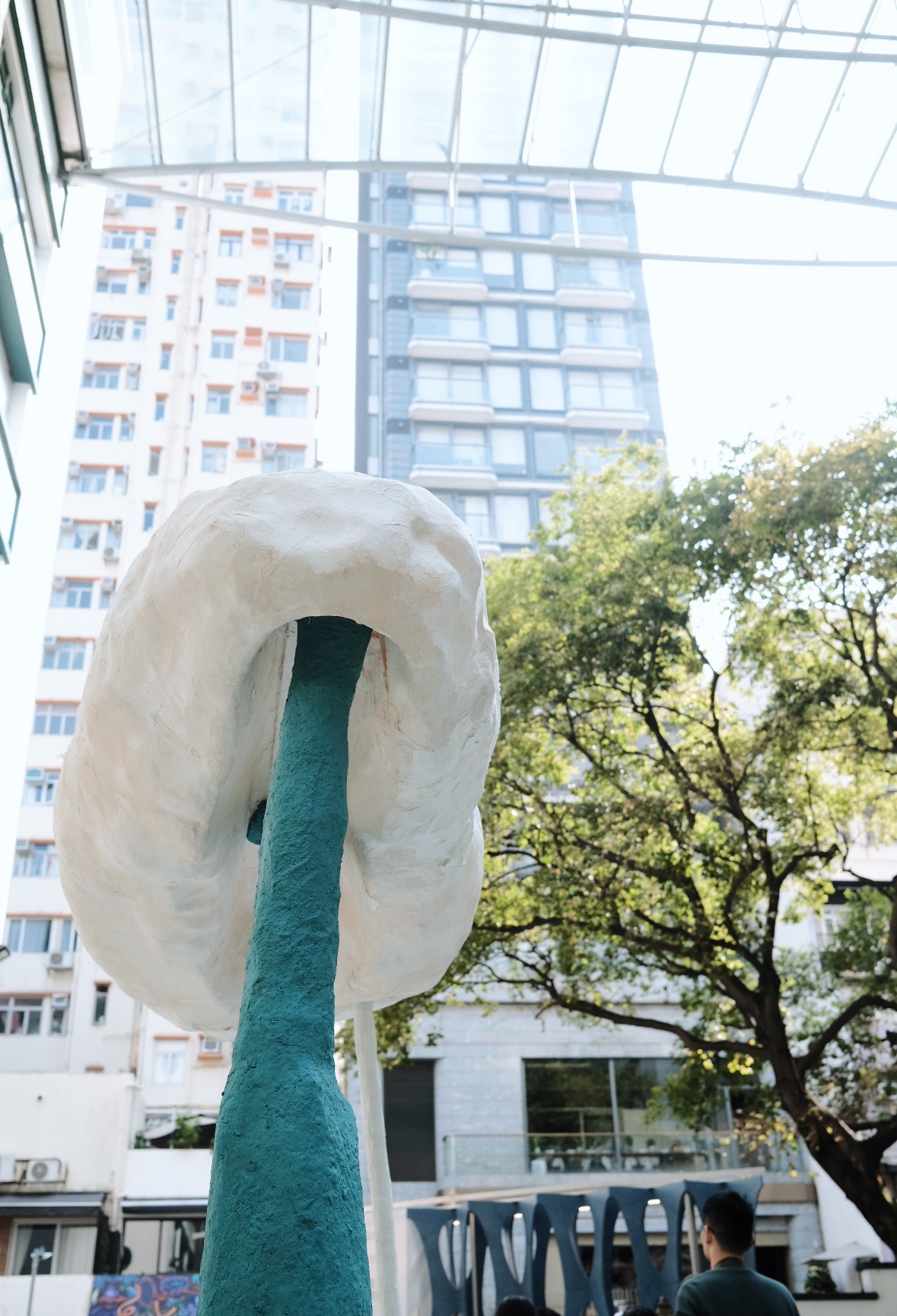
Everyone dreams, but few see their dreams come true. Italian sculptural designer Jonathan Bocca is the exception. In his dreams, furniture breaks expectations—a bed, a light, or a bench that challenges traditional shapes.
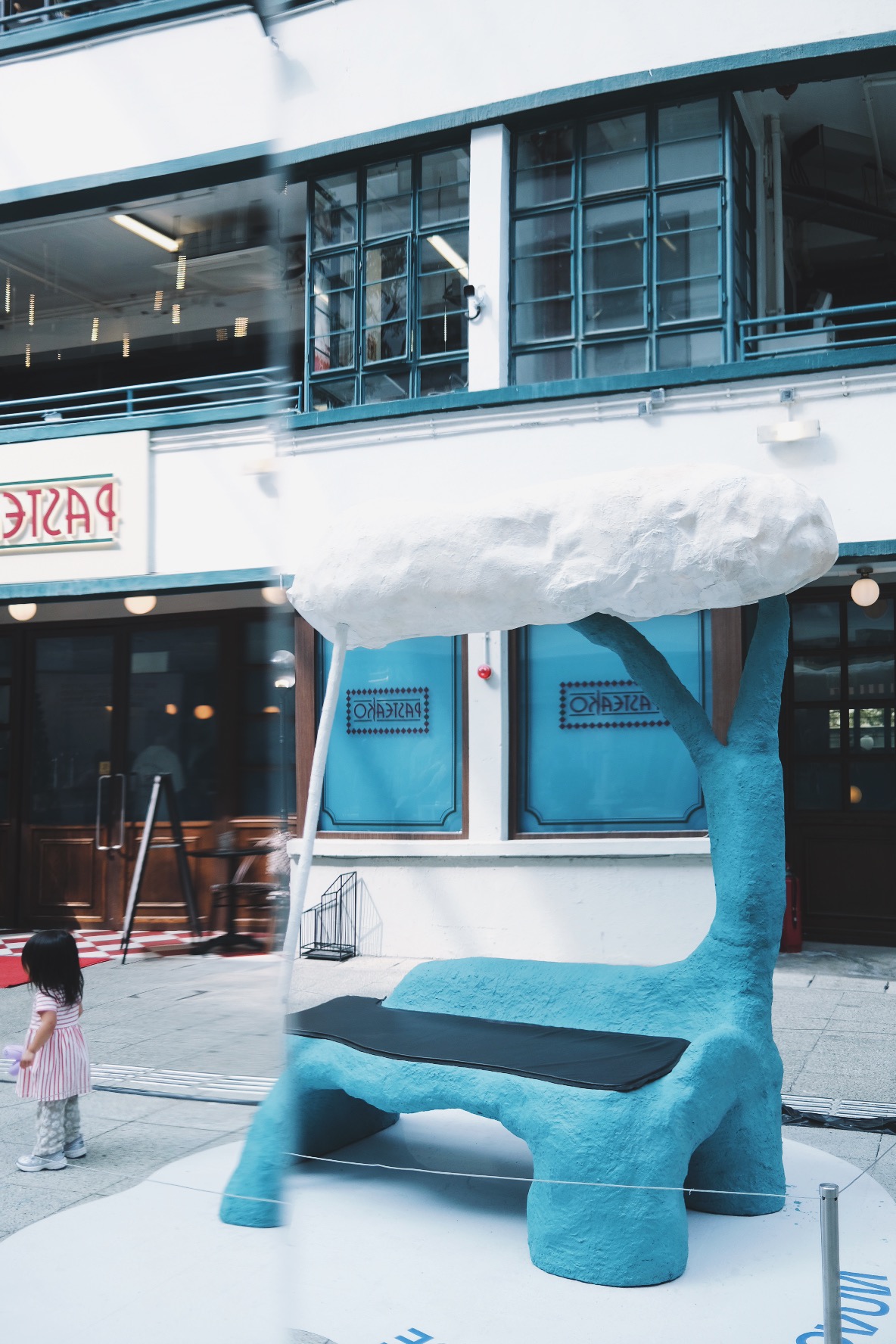
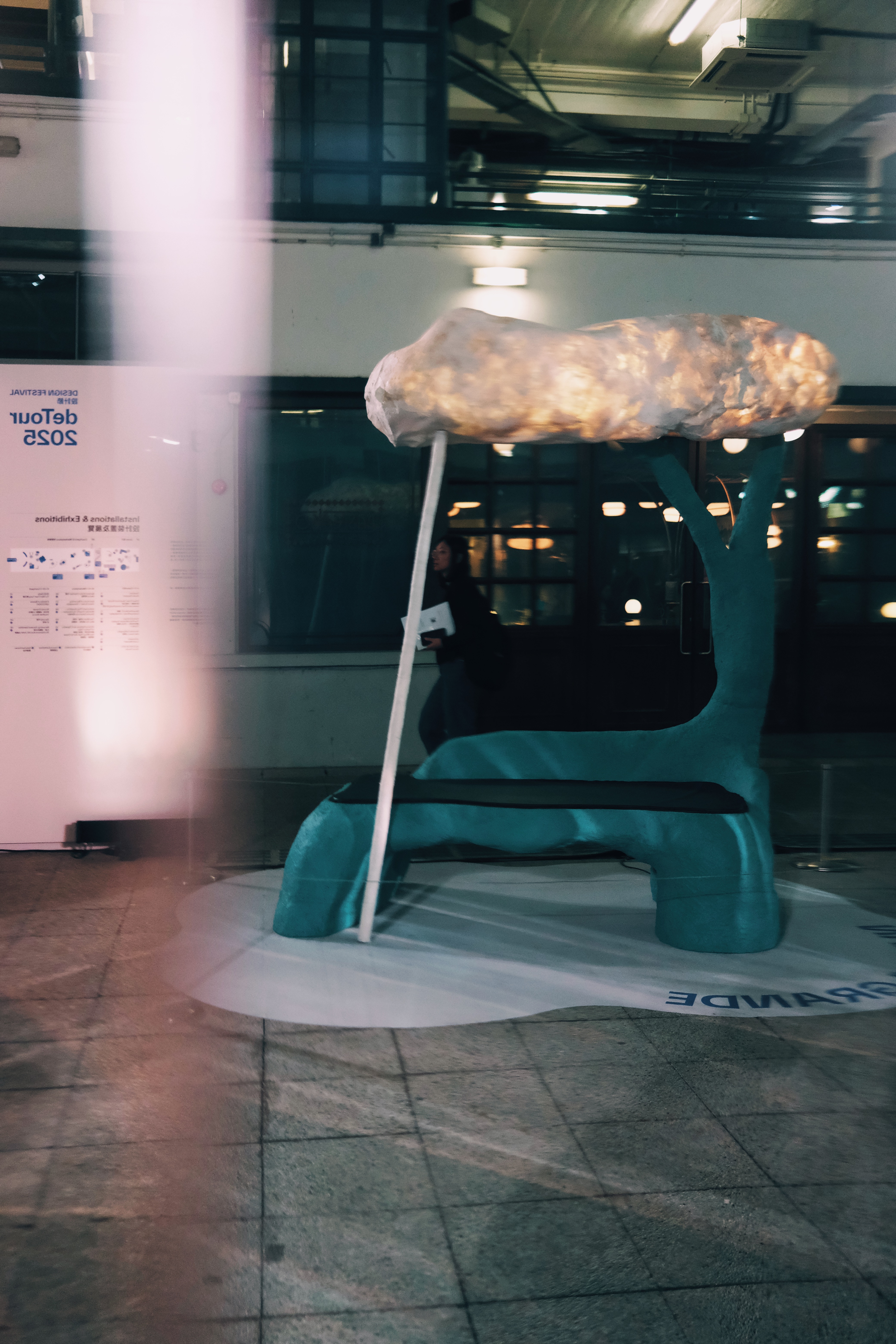
Imagine this: you sit or lie down, and above you, a cloud softly glows, giving a feeling of weightlessness. The body can be heavy, but the mind floats freely.
Bocca’s installation, Nuvola Grande, moves into the busy center of downtown Hong Kong. In just a moment, the city’s noise is lifted and quiets among the clouds.
“All my creations come from dreams,” Bocca says. “Our dreams define us and reveal what we truly carry inside. A dream is an irrational release that allows us to communicate with our deepest selves.”
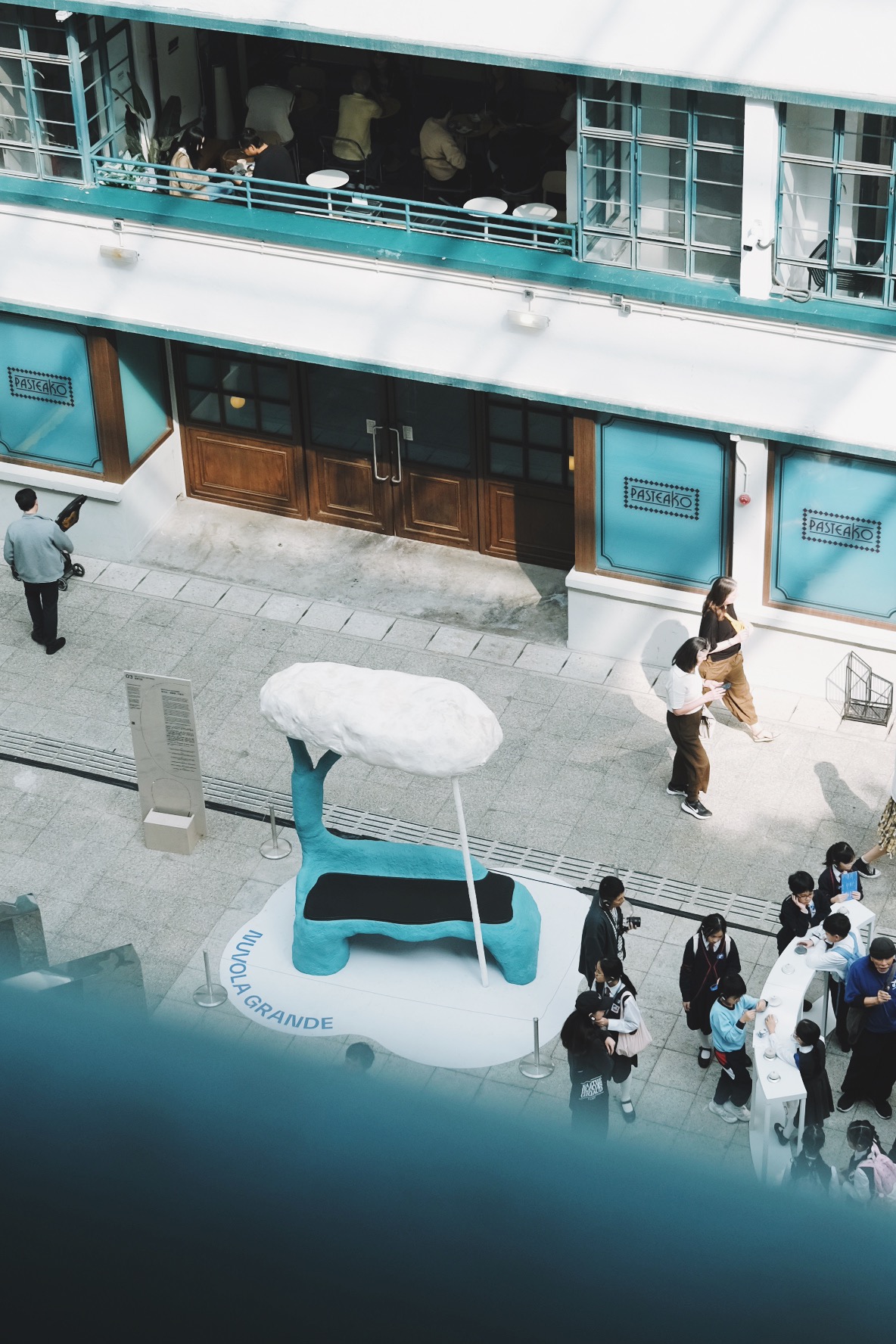
For his debut sculptural series, Oggetti Inqueti, he used Surrealist techniques: sketching his dreams immediately after waking for a month until a cohesive body of work emerged. If dreams encourage daring, reality demands humility. Behind Nuvola Grande lies a profound respect for traditional craft. The work is constructed from recycled cardboard and discarded tissue paper, challenging the notion that waste paper is destined only for hygiene or stationery. Here, it transforms into large-scale furniture—solid and durable—while exuding poetic charm.
This approach may even reshape the identity of a traditional industry. Bocca hails from Lucca, a small Italian city known as the “Valley of Paper.” Industrial production inevitably creates waste, but Bocca sees potential in the refuse. “Transforming industrial waste into objects is an opportunity to reinterpret paper, giving it new roles and opening a different perspective on the city and its crafts.”
Beyond redefining recycling, Bocca aims to make household objects more than mere utilitarian objects. “In the home of the future, we shouldn’t just place objects. Furnishings should become inhabitants of the space, nurturing intimate, living relationships between people and their environment.”
Lucia Massari:Glass for the People
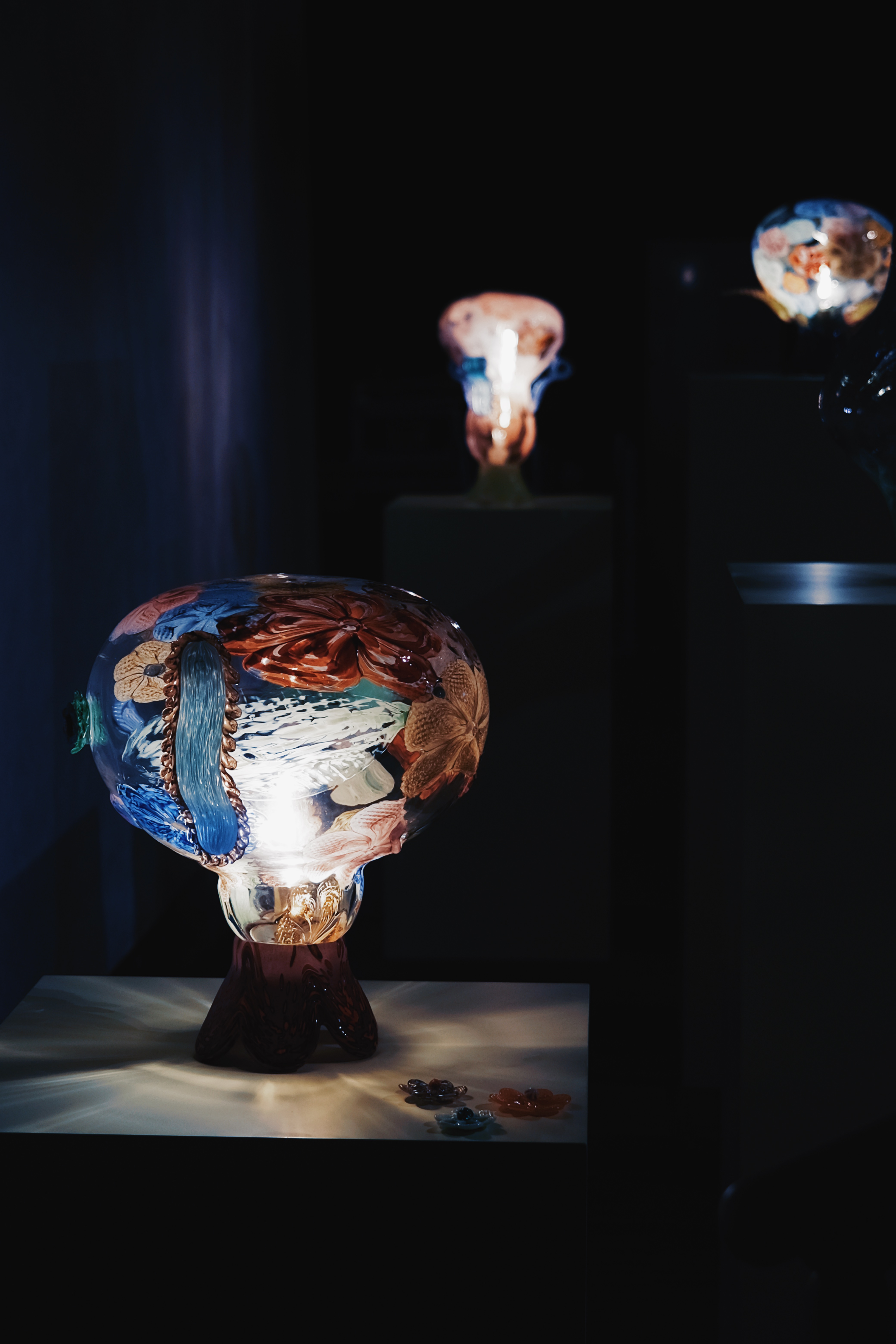
Venetian glass has fascinated the world since the 19th century. Murano glass, specifically—still handcrafted on the island north of Venice—remains the gold standard of the craft. However, for Lucia Massari, who grew up surrounded by Venice’s glassmaking heritage, something felt stuck.“I’m not the only one who feels this way,” she explains. “Many designers are trying to make this venerable craft feel lively and modern.”
In Massari’s “retuning” of Murano glass, the colors stay vibrant and the shapes stay elegant, but a touch of wild eccentricity appears. No longer limited to aristocratic decoration, the glass becomes lighting, vases, and mirrors meant for everyday use. Her series, Primavera (Spring), takes inspiration from Giuseppe Arcimboldo’s well-known floral portraits, full of botanical energy and vibe.
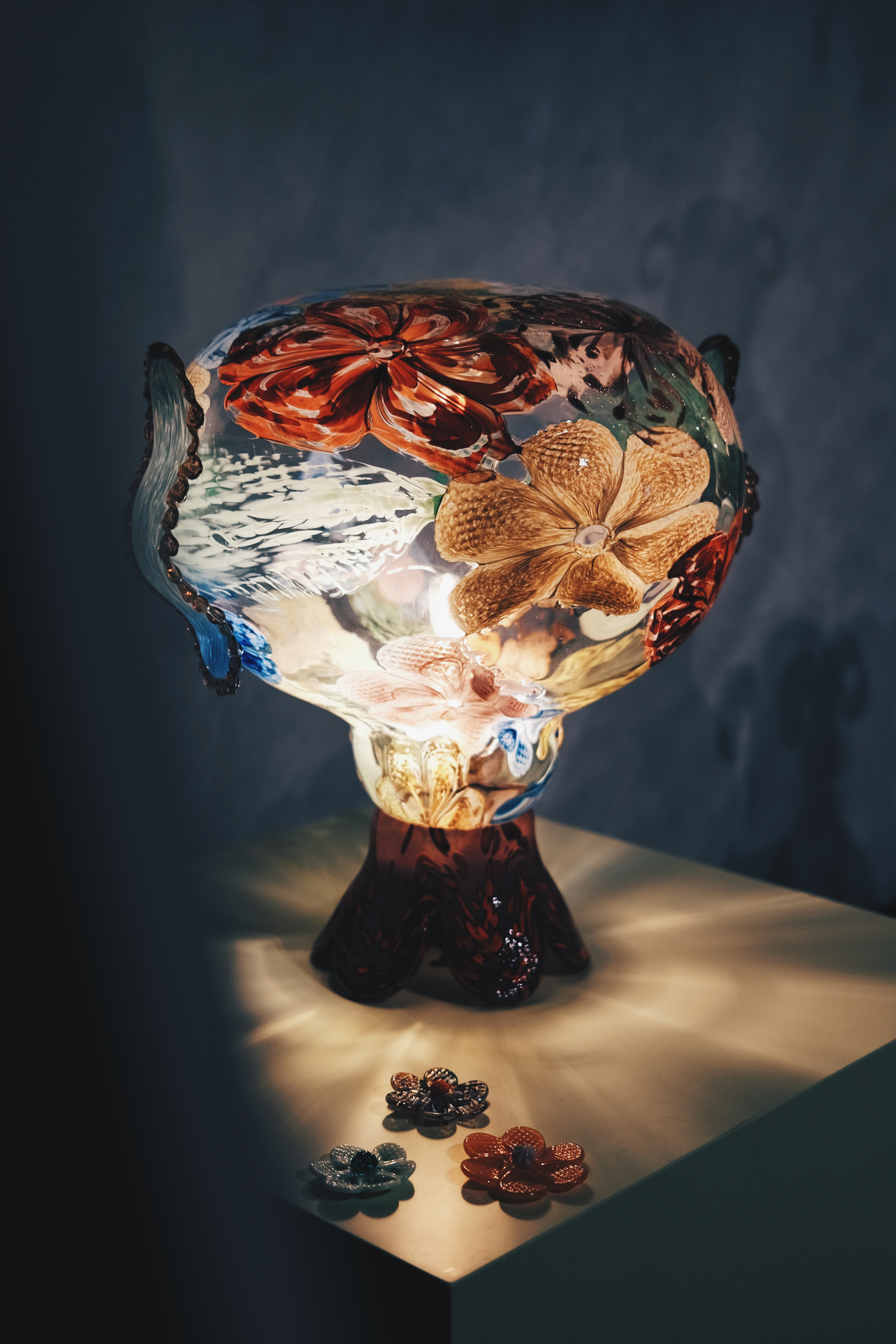

Massari collaborates with Murano artisans, using traditional methods while adding a touch of wit to the design. Blossoms, swirls, and rosettes that were once rigid become organic textures during the molten stage—distorted, perhaps out of proportion, yet opening a new horizon of imagination. It is akin to commissioning a master tailor to sew a traditional cheongsam, only to revolutionize the cut.
She views design as a dialogue between memory and invention. The designer’s role is to wrestle between heritage and breakthrough by twisting, amplifying, or recomposing the familiar.
“Ornament is a vocabulary,” she notes. “It can be rearranged, misunderstood, or emphasized to create a visual effect that feels both familiar and alien.”
The technical mastery of Venetian glass often renders it flawless, earning it an aura of sanctity that leaves little margin for error. Massari insists on de-sanctifying it. “I’m not trying to diminish the value of Murano glass—quite the opposite. I want to free the craft from the burden of perfection.”
By removing its aura, Venetian glass is allowed to breathe. It can maintain tradition while embracing bold experimentation. Like the flowers in Massari’s work, the craft welcomes change with brilliance—and, at last, is reborn.
deTour 2025 – design festival
The Shape of Yearning
Date|2025.11.28 - 12.07
Time|11:00 - 20:00
Venue|PMQ
Detail |https://main.detour.hk/en-us